


From 220 lbs to Fit Slimming Drinks That Fueled My Weight Loss Journey

The number on the scale was 220 lbs when I finally stopped pretending I felt fine.
I was tired before the day even started. My knees ached after one flight of stairs. Clothes that used to fit stayed in the back of the closet because trying them on felt like a punishment. But the real turning point came during a family hike. Everyone was laughing and walking ahead while I kept stopping to catch my breath. I smiled for the photos, but inside I felt embarrassed, scared, and ready for change.
I did not lose weight because of one magic drink. I lost weight because I built a routine I could repeat. Slimming drinks helped me drink more water, curb mindless snacking, replace sugary drinks, and feel more in control of my choices. They became a small daily ritual that reminded me I was choosing myself.
This is my personal experience, not medical advice. Anyone with a health condition, taking medication, pregnant, nursing, or unsure where to start should talk with a qualified healthcare professional before making big diet changes.

I started by changing what I drank every day
Before my weight loss journey, I drank calories without thinking. Sweet tea at lunch. Soda in the afternoon. Creamy coffee drinks when I needed comfort. Juice because it sounded healthier than soda. By the end of the day, I had taken in a lot of sugar and still felt hungry.
So I made my first rule simple: no more drinking calories unless it served a purpose.
That did not mean I lived on plain water and sadness. I needed drinks that felt enjoyable, or I knew I would quit. These were the slimming drinks I used most often.
Lemon cucumber mint water kept me hydrated
This was my starter drink. I filled a big pitcher with water, lemon slices, cucumber, and fresh mint. Sometimes I added a few berries or orange slices.
It helped because it made water feel less boring. I kept it in the fridge, and when I wanted soda, I poured this over ice instead. The benefit was not that lemon burned fat. The benefit was that I drank more water and less sugar.
Hydration also helped me tell the difference between real hunger and “I am bored and want something” hunger.
Green tea replaced my afternoon soda
I started drinking unsweetened green tea around 2 p.m., right when I used to crash and reach for a soda. Green tea gave me a gentle caffeine lift without the sugar rush.
I liked it hot in the winter and iced in the summer. Sometimes I added lemon or a few mint leaves. I did not treat it like a miracle. I treated it like a better habit.
The benefit was simple: fewer sugary drinks, fewer cravings, and a calmer afternoon.
Apple cider vinegar water helped me slow down before meals
A few times a week, I drank a large glass of water with a small splash of apple cider vinegar before dinner. I always diluted it well because vinegar can be harsh on teeth and the stomach.
The biggest benefit for me was the pause. It made me slow down before eating. Instead of walking into dinner starving and piling my plate high, I had a few minutes to check in with my hunger.
This drink is not for everyone. Some people dislike the taste or cannot tolerate it. I used it carefully and never treated it as a shortcut.
Protein smoothies helped me stop skipping breakfast
Breakfast used to be coffee, then hunger, then overeating later. A protein smoothie changed that.
My usual blend was:
Unsweetened almond milk
Plain Greek yogurt or protein powder
Frozen berries
Spinach
A spoonful of chia seeds
Ice
This gave me protein, fiber, and volume. It tasted like a treat, but it kept me full much longer than a pastry or sweet coffee. On busy mornings, it saved me from grabbing whatever was fastest.
Ginger mint tea became my nighttime reset
Night snacking was one of my hardest habits to break. I used to eat chips or cookies after dinner, not because I was hungry, but because the day felt unfinished.
Ginger mint tea became my signal that the kitchen was closed. I made a hot mug, sat down, and let that be the final flavor of the night.
It helped with routine more than anything else. My body started to understand that tea meant rest, not more snacks.

My daily routine made the drinks work better
Slimming drinks helped, but they only worked because the rest of my day supported them. Once I stopped looking for a quick fix, the weight started coming off more steadily.
My routine looked plain, but that was the point. Plain routines are easier to repeat.
Morning
I started each morning with a glass of water before coffee. Then I had either a protein smoothie or eggs with fruit. If I worked out, I kept it short at first.
My early workouts were not impressive. I walked for 15 to 20 minutes. Some days I followed a beginner strength video at home. I had to let go of the idea that exercise only counted if it left me exhausted.
What mattered was showing up.
Lunch
Lunch used to be random. I often waited too long, then ordered something heavy because I felt desperate.
I changed that by building simple plates:
A lean protein like chicken, tuna, eggs, tofu, or beans
A big serving of vegetables
A smart carb like brown rice, potatoes, whole grain bread, or fruit
A healthy fat like avocado, olive oil, or nuts
I still ate foods I enjoyed. I just stopped letting every meal turn into a “start over tomorrow” moment.
Afternoon
This was danger time. I wanted sugar, caffeine, and comfort. Green tea helped me keep the habit of an afternoon drink without going back to soda.
I also started taking a 10-minute walk when cravings hit. Sometimes the craving passed. Sometimes it did not, and I ate a planned snack like Greek yogurt, string cheese, fruit, or nuts.
The key was that I stopped treating one snack like a failure.
Dinner
Dinner became lighter than it used to be, but not tiny. If I ate too little, I raided the pantry later. I aimed for satisfying meals, not punishment meals.
Some regular dinners were:
Turkey chili with beans and vegetables
Salmon with roasted potatoes and salad
Chicken fajita bowls with peppers and salsa
Lentil soup with a side of fruit
Stir-fry with shrimp, vegetables, and rice
Before dinner, I often had water, infused water, or diluted apple cider vinegar water. That small habit helped me sit down calmer.
Evening
After dinner, I brushed my teeth earlier and made ginger mint tea. This sounds too simple, but it changed my nights.
I also stopped watching shows in the kitchen. I moved to a spot where food was not within reach. Environment mattered more than willpower.

The challenges were real, and I had to learn how to handle them
There were weeks when I did everything “right” and the scale barely moved. There were birthdays, stressful workdays, holidays, late nights, and days when I wanted the old comfort foods.
The difference was that I stopped quitting every time it got hard.
I had to deal with cravings
The first two weeks were rough. My body expected soda and sweets. Infused water did not taste exciting at first. Green tea tasted too plain. I missed the quick comfort of sugar.
So I made my drinks more enjoyable without turning them into desserts. I added fresh fruit, herbs, cinnamon, lemon, or lots of ice. I used nice glasses. I made the habit feel like something I looked forward to.
Cravings also taught me to eat enough protein. When I under-ate during the day, cravings came back stronger at night.
I stopped using the scale as my only proof
Some weeks, the scale moved fast. Other weeks, nothing happened. At first, I panicked. Then I started tracking other signs.
I paid attention to:
How my jeans fit
How far I could walk without stopping
How I slept
My energy in the afternoon
My mood after meals
How often I chose water over soda
Those wins kept me going when the scale felt stubborn.
I learned to handle social pressure
People noticed when I stopped ordering soda or skipped second helpings. Some were supportive. Some made jokes. A few acted like my choices made them uncomfortable.
I learned to keep my answer short.
“I feel better when I eat this way.”
That was enough. I did not need to explain my whole plan at every meal.
I had to forgive imperfect days
This was the hardest lesson. I used to think one bad meal ruined the week. That thinking kept me stuck for years.
Now I use a simple rule: the next choice counts.
If I ate pizza at night, I drank water the next morning. If I skipped a walk, I took one later. If I had dessert, I enjoyed it and moved on.
That mindset did more for my progress than any single drink.
What changed by the time I felt fit
I did not wake up one day as a new person. The change happened slowly, then suddenly felt obvious.
I could walk hills without stopping. I could tie my shoes without feeling out of breath. I slept better. My face looked less puffy. I had more patience because my energy was steadier. I stopped hiding from photos.
The number on the scale mattered, but it was not the whole story. What mattered more was that I trusted myself again.
The slimming drinks worked because they supported better choices:
Before | After |
Soda when tired | Green tea or infused water |
Skipped breakfast | Protein smoothie |
Nighttime snacking | Ginger mint tea |
Eating too fast | Water before meals |
Starting over every Monday | Getting back on track at the next choice |
I did not follow a perfect plan. I followed a repeatable one.

My best tips for anyone considering slimming drinks
If slimming drinks sound helpful, start with realistic expectations. They can support weight loss, but they cannot replace balanced meals, movement, sleep, or consistency.
Here is what helped me most.
Choose drinks you can enjoy without lots of sugar.
If a drink needs several spoons of sweetener to taste good, it may not help much. Use fruit, herbs, spices, citrus, or ice instead.
Do not replace every meal with drinks.
A smoothie can work as a balanced breakfast if it has protein, fiber, and enough calories. But living on liquids can backfire, especially if it leaves you hungry and tired.
Watch portions, even with healthy ingredients.
Nut butters, seeds, protein powders, and juices can add up fast. Healthy does not always mean low-calorie.
Make hydration easy.
Keep a bottle nearby. Fill a pitcher at night. Put tea bags where you can see them. The easier choice often becomes the repeated choice.
Pair every drink habit with one food habit.
For example, drink green tea and pack a high-protein snack. Have infused water and build a balanced lunch. Sip ginger tea and close the kitchen after dinner.
Be patient with your taste buds.
If you are used to very sweet drinks, unsweetened tea may taste flat at first. Give it time. Your preferences can change.
Track more than weight.
Take progress photos, write down energy levels, notice fitness improvements, and celebrate consistency. Fat loss can be uneven, but health habits still count.
Talk to a professional if needed.
If you have diabetes, digestive issues, kidney concerns, an eating disorder history, or take medication, get personal guidance before trying aggressive changes.
A drink can be a tool. It should never become a punishment.
The takeaway I wish I knew at 220 lbs
When I started at 220 lbs, I wanted fast results. I wanted proof that my effort mattered. I wanted the scale to reward me every morning.
What I needed was a routine I could live with.
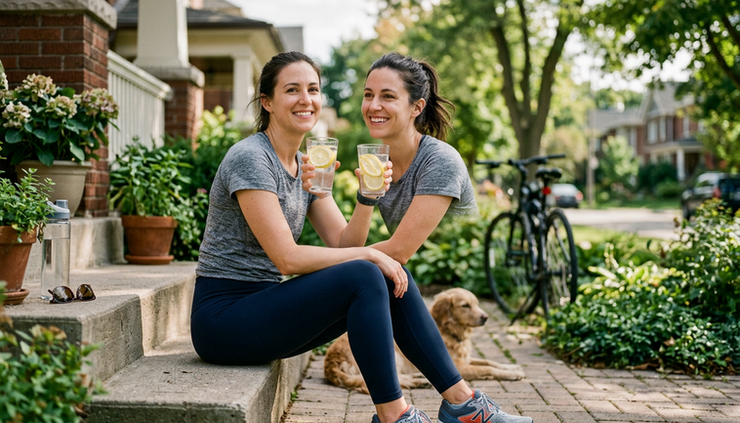
Slimming drinks gave me structure. Lemon cucumber water helped me hydrate. Green tea replaced soda. Protein smoothies made breakfast easier. Diluted apple cider vinegar water helped me slow down before meals. Ginger mint tea helped me stop eating out of habit at night.
But the real transformation came from repeating small choices long enough for them to become normal.
If you are starting your own journey, begin with one drink. Not five. Not a full life makeover by Monday. Pick one swap that feels doable, then build from there.
Progress does not have to be dramatic to be real. Sometimes it starts with a glass of water, a short walk, and the decision to try again tomorrow.


Comments