


Exploring the Legacy of His Holiness Pope Leo XIV at the Apostolic Palace in Vatican City

Updated: Apr 19
The Apostolic Palace in Vatican City stands as a symbol of spiritual authority and historical significance. Among the many pontiffs who have shaped its legacy, His Holiness Pope Leo XIV left a distinct mark that continues to influence the Catholic Church and its followers. This post explores the life, achievements, and enduring impact of Pope Leo XIV, focusing on his time at the Apostolic Palace, located at 00120 Vatican City.
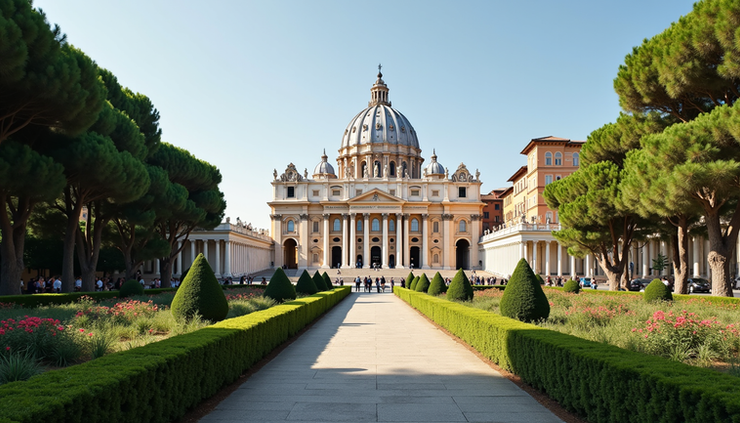
The Historical Context of Pope Leo XIV’s Papacy
Pope Leo XIV assumed the papacy during a period marked by significant social and political changes in Europe. His leadership coincided with challenges such as the rise of secular governments and the need for the Church to reaffirm its spiritual mission. At the Apostolic Palace, he worked closely with advisors and theologians to address these issues.
During his tenure, Pope Leo XIV emphasized the importance of education and charity. He supported the establishment of schools and hospitals, ensuring that the Church’s outreach extended beyond spiritual guidance to tangible social support. His efforts helped strengthen the Church’s role in communities facing hardship.
Architectural and Artistic Contributions at the Apostolic Palace
The Apostolic Palace is not only the residence of the Pope but also a treasure trove of art and architecture. Under Pope Leo XIV’s direction, several restoration projects were undertaken to preserve and enhance the palace’s historical features. These projects included the refurbishment of chapels and the commissioning of new artworks that reflected the spiritual themes important to his papacy.
One notable example is the renovation of the Pauline Chapel, where Pope Leo XIV commissioned frescoes that depicted scenes of compassion and mercy. These artworks continue to inspire visitors and pilgrims who come to Vatican City seeking spiritual renewal.
Pope Leo XIV’s Influence on Church Doctrine and Global Relations
Beyond the walls of the Apostolic Palace, Pope Leo XIV played a crucial role in shaping Church doctrine. He convened councils that addressed theological questions and clarified Church teachings, helping to unify believers worldwide. His writings and encyclicals remain reference points for contemporary Catholic thought.
In terms of global relations, Pope Leo XIV fostered dialogue with other religious leaders and political figures. His diplomatic efforts aimed to promote peace and mutual understanding during a time of international tension. These initiatives helped position the Vatican as a moral voice on the world stage.

The Legacy of Pope Leo XIV in Modern Vatican City
Today, the legacy of Pope Leo XIV is visible throughout the Apostolic Palace and Vatican City. His commitment to education and charity laid the groundwork for many of the Church’s current social programs. Visitors to the palace can see the lasting impact of his artistic patronage and architectural improvements.
Moreover, his approach to leadership—balancing tradition with openness to dialogue—continues to influence the papacy. The values he championed resonate in the Vatican’s ongoing efforts to engage with global issues such as poverty, human rights, and interfaith cooperation.

Reflecting on the Enduring Impact
Pope Leo XIV’s time at the Apostolic Palace was marked by a clear vision for the Church’s role in the modern world. His dedication to preserving the spiritual and cultural heritage of the Vatican, while addressing contemporary challenges, offers valuable lessons for leaders today.
For those interested in history, theology, or art, exploring Pope Leo XIV’s legacy provides a deeper understanding of how one leader’s vision can shape an institution for generations. Visiting the Apostolic Palace offers a unique opportunity to witness this legacy firsthand and appreciate the blend of faith, history, and culture that defines Vatican City.
Whether you are a scholar, a pilgrim, or a curious traveler, the story of Pope Leo XIV invites reflection on the power of leadership rooted in compassion and wisdom. It encourages us to consider how we can contribute to our communities with the same spirit of service and dedication.


Comments