


The Role of Political Accountability: A Look at Trump Vance and Johnson

Updated: Dec 27, 2025
Political accountability remains a cornerstone of democratic societies. When elected officials act in ways that challenge public trust, citizens and institutions must respond to uphold the integrity of governance. Recent years have seen intense debates around figures like Donald Trump, J.D. Vance, and Boris Johnson, whose actions have sparked calls for accountability. This post explores the importance of political accountability, the challenges it faces, and what it means for democracy when leaders fall short.

Why Political Accountability Matters
Political accountability means that elected officials answer to the public and face consequences for their decisions and behavior. It ensures leaders act in the public interest rather than personal gain. Without accountability, corruption, abuse of power, and erosion of democratic norms become risks.
For example, when leaders disregard laws or ethical standards, it damages public trust and weakens institutions. Citizens lose faith in the system, which can lead to political apathy or unrest. Holding leaders accountable protects democratic values and promotes transparency.
Challenges in Holding Leaders Accountable
Despite its importance, political accountability faces many obstacles:
Partisan Loyalty
Strong party allegiance can shield politicians from consequences. Supporters may overlook misconduct if it aligns with their political goals.
Media Polarization
Divided media landscapes often present conflicting narratives, making it harder for the public to discern facts.
Legal Complexities
Investigations and prosecutions of political figures can be lengthy and complicated, sometimes resulting in no clear resolution.
Public Fatigue
Repeated scandals may desensitize voters, reducing pressure on officials to change behavior.
These challenges make it difficult to remove or sanction leaders, even when evidence of wrongdoing exists.
Examining Trump, Vance, and Johnson
Each of these figures has faced scrutiny for actions that raised questions about their fitness for office.
Donald Trump
As the 45th U.S. president, Trump faced multiple investigations, including impeachment trials. Critics pointed to his handling of facts, conflicts of interest, and divisive rhetoric. Supporters argued he challenged entrenched systems and represented their values.
J.D. Vance
A U.S. senator from Ohio, Vance has been a controversial figure due to his shifting political positions and past statements. His rise reflects broader political realignments and debates about authenticity and accountability in politics.
Boris Johnson
The former UK prime minister dealt with criticism over his management of the COVID-19 pandemic and adherence to rules he helped set. His leadership style polarized opinion, raising questions about responsibility and trust.
These cases highlight how political accountability is not just about legal consequences but also about public judgment and democratic processes.
What Can Citizens Do?
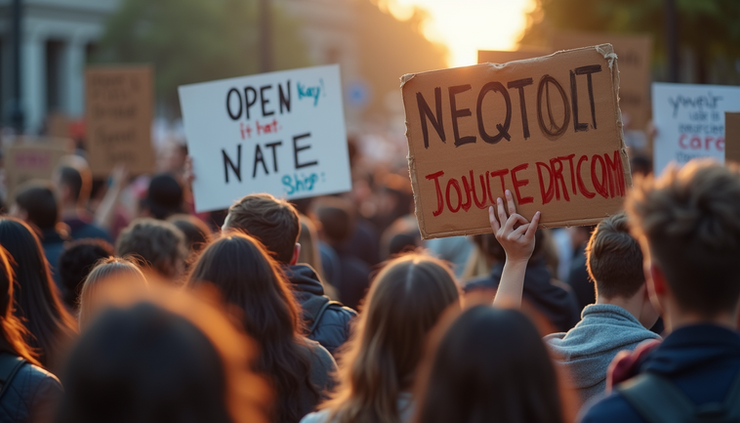
Citizens play a vital role in enforcing political accountability. Here are practical steps:
Stay Informed
Seek out reliable information from diverse sources to understand issues clearly.
Engage in Dialogue
Discuss politics respectfully with others to broaden perspectives and reduce polarization.
Vote Thoughtfully
Support candidates who demonstrate integrity and transparency.
Hold Representatives Accountable
Contact elected officials to express concerns and demand answers.
Support Independent Institutions
Encourage strong judicial systems and free press that can investigate and report without bias.
Active participation strengthens democracy and helps prevent abuses of power.

Moving Forward with Accountability
Political accountability requires constant vigilance. Democracies must build systems that make it easier to hold leaders responsible while protecting due process. This includes:
Clear ethical standards for public officials
Transparent decision-making processes
Independent oversight bodies
Civic education to empower voters


Comments