


Cherishing Life: Why Aging Instills a Desire for Nature's Vitality

When you reach a certain age, your perspective on life changes in surprising ways. Suddenly, you find yourself rooting for every living thing around you. You notice those “No Hunting” signs and think, “Good. Let’s keep everyone safe.” It’s not just about self-preservation anymore; it’s about wanting everything else to thrive too. This feeling grows stronger with age, and it’s a beautiful shift worth exploring.

Why Aging Sparks a Love for Life
As people grow older, they often develop a deeper appreciation for the simple things that keep the world turning. This includes nature’s vitality—the plants, animals, and ecosystems that sustain life. Here’s why:
Experience teaches value: After decades of living, you’ve seen how fragile life can be. This makes you more protective of it.
Slower pace, sharper senses: Aging often means slowing down, which lets you notice the chirping birds, rustling leaves, and blooming flowers more clearly.
Legacy thinking: You start thinking about what you’ll leave behind. Protecting nature feels like a gift to future generations.
This shift isn’t just sentimental. It’s backed by science. Studies show that spending time in nature reduces stress and improves mood, especially for older adults. So, the desire to protect and enjoy nature is both emotional and practical.
The Meaning Behind “No Hunting” Signs
If you’ve ever wondered why those “No Hunting” signs seem to pop up everywhere, it’s because people who care deeply about life want to create safe spaces. When you’re older, you understand the importance of these signs in a new way:
They protect wildlife from unnecessary harm.
They preserve natural habitats for future enjoyment.
They remind us to respect the balance of life.
For someone who has lived long enough to see the consequences of neglecting nature, these signs are a symbol of hope and respect. They say, “Here, life matters.”
How Aging Changes Our Relationship with Nature
The connection between aging and nature isn’t just about protection. It’s also about participation. Many older adults find joy in activities that bring them closer to the natural world:
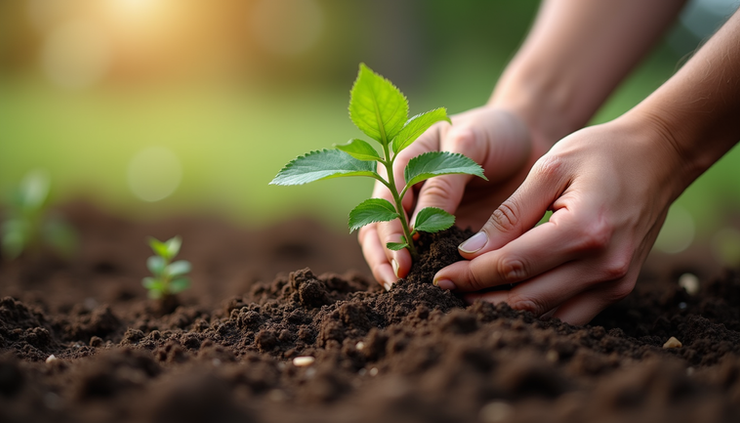
Gardening: Tending to plants offers a sense of purpose and a direct way to nurture life.
Birdwatching: Observing wildlife becomes a peaceful hobby that sharpens the mind.
Walking in parks: Gentle exercise combined with fresh air improves health and mood.
These activities are more than hobbies—they’re ways to stay connected to the vitality of life. They remind us that aging doesn’t mean fading away; it means growing into a new kind of strength.
Stories That Show the Power of This Connection
Consider the story of a retired teacher named Joan. She started a community garden in her neighborhood after retiring. Her goal wasn’t just to grow vegetables but to create a space where people of all ages could connect with nature. Joan says, “When you’re as old as me, you want everything else to live. That’s why you see no hunting signs around. It’s about respect.”
Joan’s garden became a sanctuary for birds, bees, and butterflies. It also brought neighbors together, proving that caring for nature builds community.
Another example is George, a 70-year-old who took up birdwatching after his wife passed away. He found comfort in the quiet observation of wildlife and became an advocate for local conservation efforts. George’s story shows how aging can inspire new passions that celebrate life.
Practical Ways to Embrace Nature’s Vitality as You Age
If you’re feeling inspired to deepen your connection with nature, here are some simple steps to get started:
Visit local parks regularly: Even short walks can boost your mood and energy.
Support wildlife protection: Respect “No Hunting” signs and encourage others to do the same.
Start a small garden: Whether it’s a few pots on a balcony or a backyard plot, growing plants is rewarding.
Join nature groups: Many communities have clubs for birdwatching, hiking, or conservation.
Learn about local species: Understanding the animals and plants around you makes nature more meaningful.
These actions don’t require special skills or equipment. They just need a willingness to slow down and appreciate the world around you.

Why This Matters for Everyone
Even if you’re not old yet, the way aging people cherish life offers a valuable lesson. It reminds us to slow down, notice the small things, and protect the living world. The desire to see everything else live is a powerful motivation that can inspire all generations.
By respecting nature and its signs, like “No Hunting,” we create a safer, healthier planet. This benefits not only wildlife but also our own well-being. After all, a world full of life is a world full of possibilities.
Get a free safe list and e-mail up to 2000 opportunity seekers like you and me


Comments